

1
/
of
4
Puresprouts
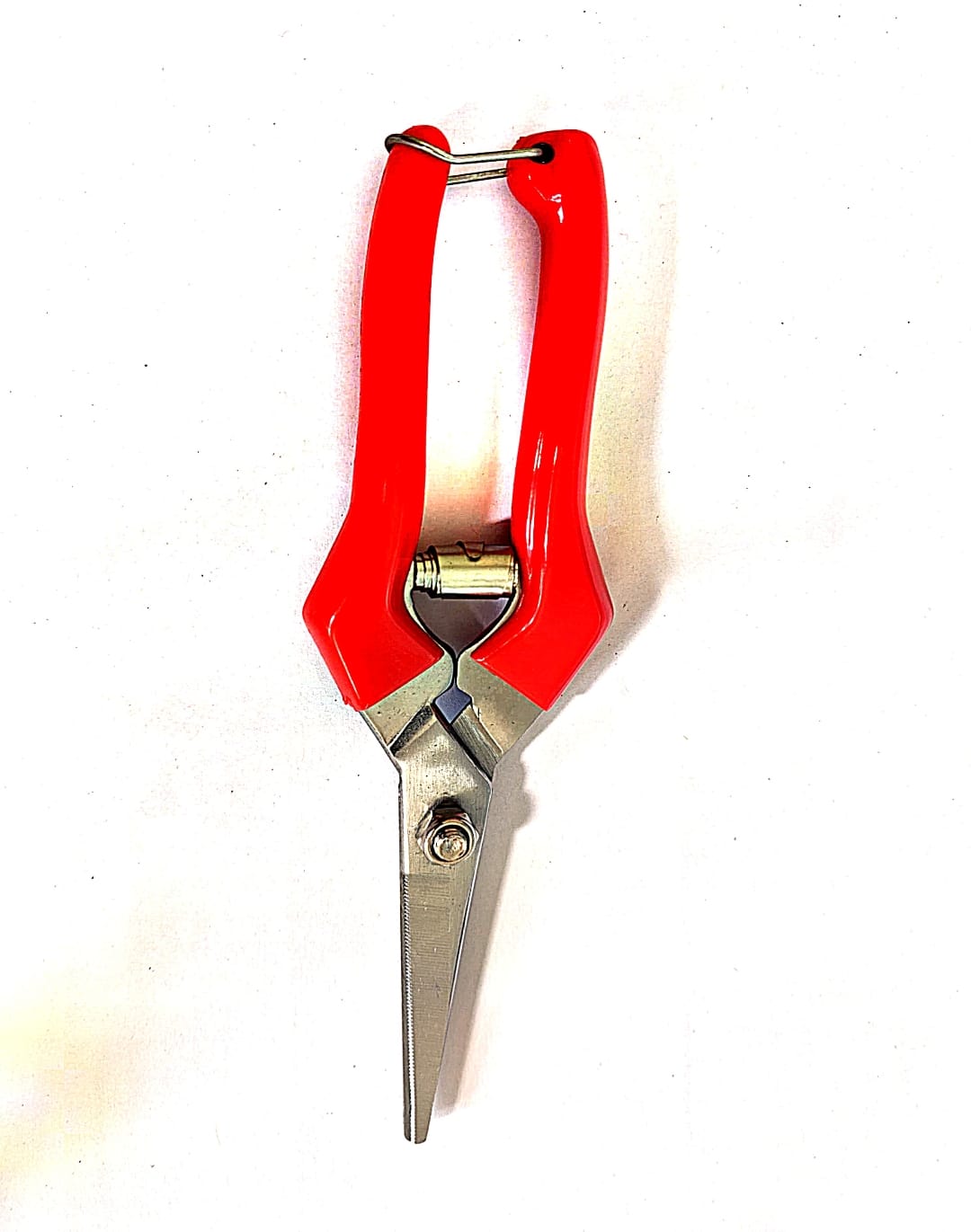
AK Horti-Pruner 200mm Made in Taiwan (Serrated Snip)
AK Horti-Pruner 200mm Made in Taiwan (Serrated Snip)
Regular price
Rs. 550.00
Regular price
Sale price
Rs. 550.00
Unit price
/
per
Couldn't load pickup availability
A "Horti Snip 200mm Serrated" is a type of garden and harvest tool, a scissor-like pruner specifically designed for horticultural use. The description breaks down its key features: Horti Snip: Indicates that it is a tool for gardening and agricultural tasks, also known as garden snips or precision pruners.
- 200mm: Specifies the tool's overall length in millimeters, which is approximately 8 inches. This size is ideal for fitting comfortably in the hand for delicate or repetitive trimming tasks.
- Serrated: Refers to the jagged or saw-like edge on the blade, which is designed to prevent slips when cutting through tougher stems and plant material.
Primary uses of a serrated Horti snip. The serrated blade makes this tool effective for jobs that require extra grip and a clean cut.
Harvesting: Ideal for harvesting fruits, vegetables, and herbs with thicker, tougher stems. The serrations grip the stem, preventing it from slipping and ensuring a clean cut that doesn't damage the plant.
- Floral work: Used for precise trimming and shaping of flowers and floral arrangements. The serrated edge helps grip stems with waxy or slippery surfaces.
- Repetitive trimming: A comfortable tool for repetitive tasks like deadheading flowers, which is the process of removing spent blooms to encourage new growth.
- Pruning woody stems: Effective for cutting through small, woody or fibrous plant parts that might be difficult to cut cleanly with a standard straight-edge snip.
General features
Serrated horti snips typically include additional features for comfort and ease of use Comfortable grip: Many models have ergonomic, cushioned, or rubberized handles to reduce hand fatigue during long periods of use.
- Corrosion resistance: Blades are often made from stainless or high-carbon steel to resist rust and corrosion from plant sap and moisture.
- Safety lock: A lock mechanism is common to keep the blades safely closed when the tool is not in use.
- Spring mechanism: An integrated spring allows for smooth, easy opening and closing of the blades, which reduces strain on the hand
Share